Blue Light Lenses: Facts, Fiction & When They Help
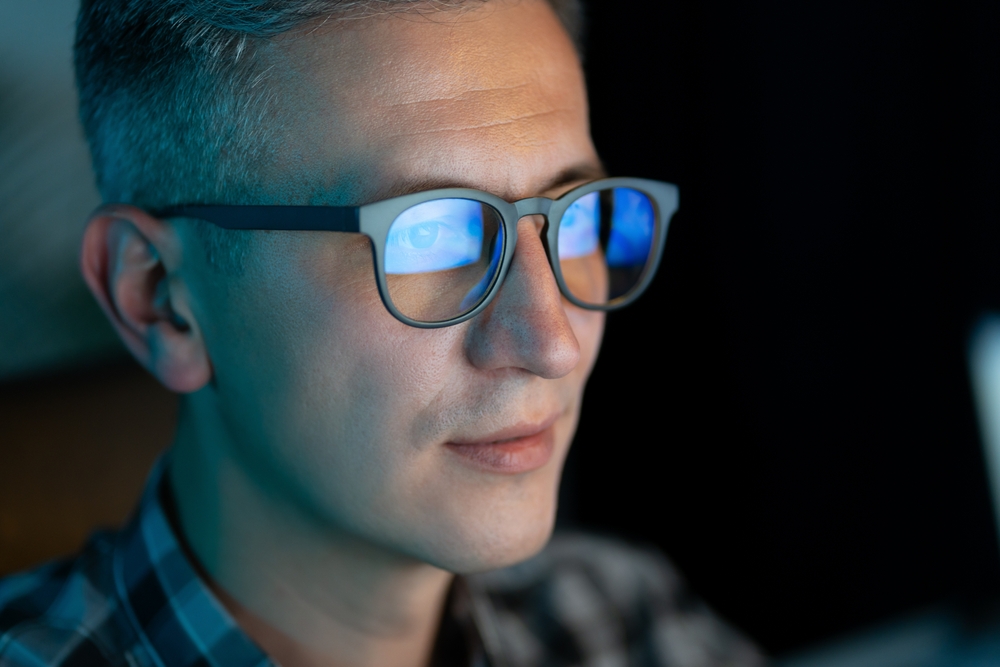
If you spend hours each day on a computer, phone, or tablet, you’ve probably heard about blue light lenses. They’re often marketed as a must-have solution for digital eye strain, sleep issues, and even long-term eye health. Let’s break down the facts, clear up common myths, and explain when blue light lenses may genuinely be beneficial.
What Is Blue Light?
Blue light is a high-energy, short-wavelength form of visible light that comes from both natural and artificial sources, including sunlight, digital screens such as computers, smartphones, tablets, and TVs, as well as LED and fluorescent lighting. During the day, blue light helps regulate alertness, mood, and the body’s natural sleep-wake cycle, but excessive exposure (especially in the evening) can interfere with these processes and lead to discomfort or disrupted sleep.
The Facts About Blue Light Lenses
Blue light lenses are designed to filter or reduce a portion of blue light before it reaches your eyes. Here’s what research and clinical experience tell us:
• They can help reduce digital eye strain for some people. Symptoms like tired eyes, headaches, and difficulty focusing may improve, especially for individuals who spend long hours on screens.
• They may support better sleep when used in the evening. Limiting blue light exposure at night can help reduce interference with melatonin production, which supports healthier sleep patterns.
• They do not prevent eye disease. There is currently no strong evidence that blue light from screens causes permanent eye damage or conditions like macular degeneration.
Common Myths and Misconceptions
Despite their popularity, blue light lenses are often misunderstood. Let’s clear up a few myths:
• Myth: Everyone needs blue light lenses.
Fact: Not everyone experiences symptoms from screen use. Many people do just fine with proper screen habits and regular eye exams.
• Myth: Blue light lenses eliminate all digital eye problems.
Fact: Eye strain is usually caused by prolonged focusing, reduced blinking, poor ergonomics, or incorrect prescriptions - not blue light alone.
• Myth: Blue light from screens is the same as blue light from the sun.
Fact: The sun emits far more blue light than digital devices. Screens contribute only a small fraction by comparison.
When Blue Light Lenses Can Help
Blue light lenses may be a good option if you:
• Work on a computer for most of the day
• Experience eye fatigue, headaches, or blurred vision after screen use
• Use digital devices frequently in the evening
• Have trouble winding down or falling asleep after screen time
They can be especially effective when combined with other strategies, such as proper lighting, regular breaks, and up-to-date vision prescriptions.
What Matters More Than Blue Light Lenses
While blue light lenses can be helpful in certain situations, they are not a cure-all. These habits often have a bigger impact on comfort and eye health:
• Following the 20-20-20 rule (every 20 minutes, look at something 20 feet away for 20 seconds)
• Maintaining proper screen distance and posture
• Ensuring your glasses or contact lens prescription is accurate
• Using artificial tears if dryness is an issue
An eye exam is the best way to determine what’s really causing your symptoms.
Get Personalized Vision Solutions at Orange County Vision Center
For the right person, in the right situation, blue light lenses can reduce discomfort and support better sleep habits. The key is understanding your visual needs and choosing solutions based on facts, not marketing claims. Whether you’re curious about blue light lenses or struggling with digital eye strain, we’re here to help you see clearly and comfortably.
Contact Orange County Vision Center to schedule a comprehensive eye exam and learn if blue light lenses are right for you. Visit our office in Garden Grove, California, or call us at (714) 894-3353 to book an appointment.
MAP

Contact Info
Office Hours
Monday Closed
Tuesday 9:00am - 5:30pm
Wednesday 9:00am - 5:30pm
Thursday 9:00am - 5:30pm
Friday 9:00am - 5:30pm
Saturday 8:00am - 2:00pm
Sunday Closed
Powered by: